

How History Explains Our Reading Crisis
We Need Printed Books to Safeguard Attention

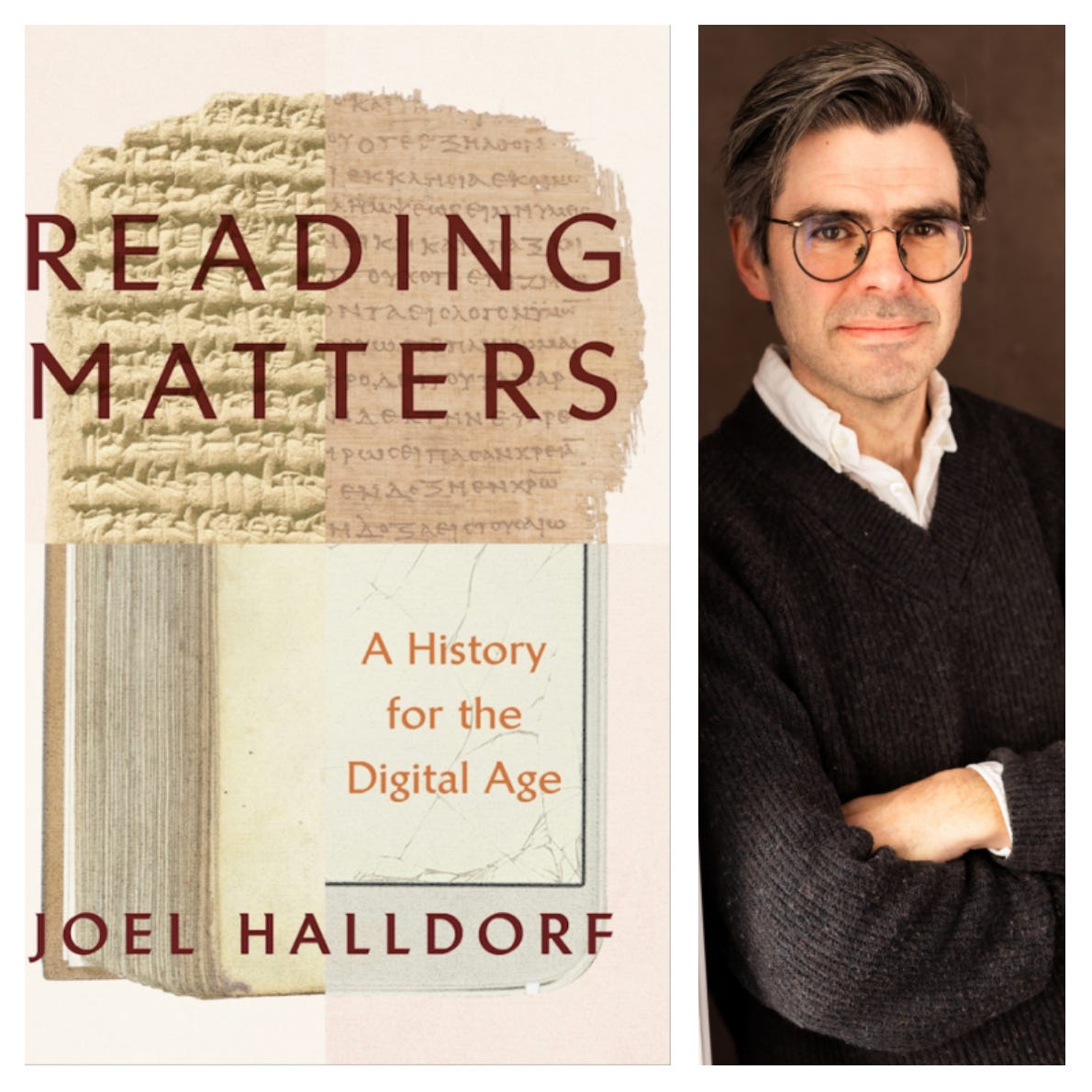
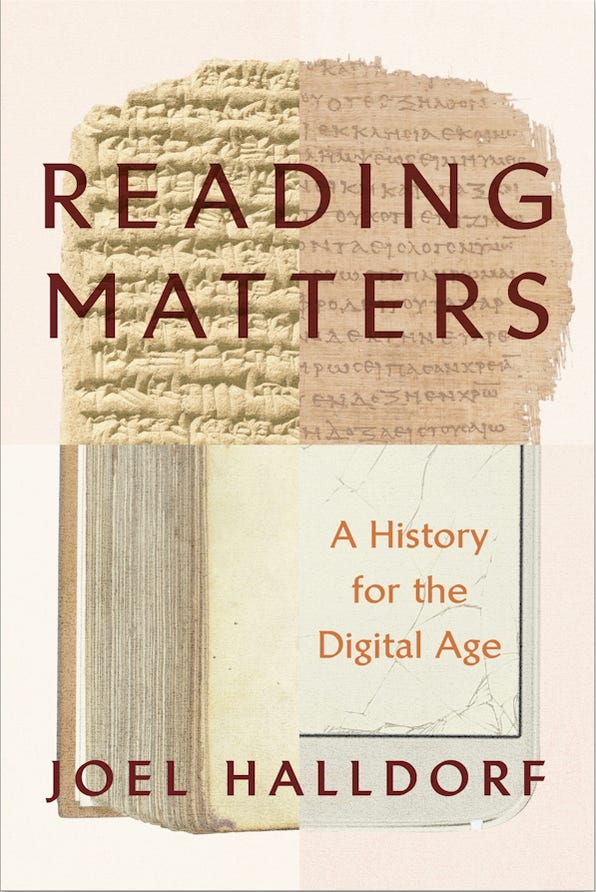
In a few weeks my book Reading Matters: A History for the Digital Age will be published in the USA by New York University Press. In this interview, my publisher and I discuss how history can help us understand the digital revolution (Pre-order of the book is available here on Amazon.)
Philosopher Marshall McLuhan famously quipped, “The medium is the message.” How does this inform the relationship between the act of reading and the materiality of the book?
When it comes to reading, it not only matters what we read, but also how we read. It makes a difference if we read slowly or quickly, meditatively or in a skim – and these modes of reading are, in turn, shaped by the material form of the text itself. We read differently on screens than in printed books.
This connection between form and content – or medium and message as McLuhan expressed it – explains why every technological transformation of the book has been accompanied by a cultural revolution.
Today, AI is transforming the way we produce text and conduct research. What do print books offer that screens cannot?
We have been so accustomed to printed books that we almost forget what a marvelous technology it is! It combines abundance with constraint in an ingenious way. Printed books can be multiplied and widely distributed – yet their material form imposes limits: we hold one book at a time, and it contains only so many pages.
Screens, by contrast, are effectively limitless. This brings clear advantages, but the erosion of limits also comes with a cost. When everything is available in one medium, attention becomes harder to maintain.

How do readers adapt the way they read to new technologies? What do different modes of reading accomplish?
Digital technology increases the availability and accessibility of texts — and that is, without question, a good thing. But printed books, by their very form, are better suited to attentive, sustained reading. We need both, but in an age defined by acceleration and distraction, attention and reflection are things that we need to safeguard
It seems like everyone today is concerned about the effect of screens on children, especially their ability to learn and retain information. What does your book say about the benefits of print vs. digital learning?
We tend to understand more and remember better when we read on paper. The research on this point is consistent, and of course this is a strong argument for preserving printed books in schools. Further, print cultivates habits of mind that enrich one’s life: patience, sustained attention, and critical reflection.
When digital technology was introduced, there was a fear that children from disadvantaged backgrounds would be left behind. Many schools sought to balance this by making sure that every kid would learn to master the new tools. Today, the problem is the reverse. While it is likely that students from academic homes are taught to handle this technology by their parents, printed books are far less common in low-income households. If schools are to compensate for this, they must continue to prioritize literature.
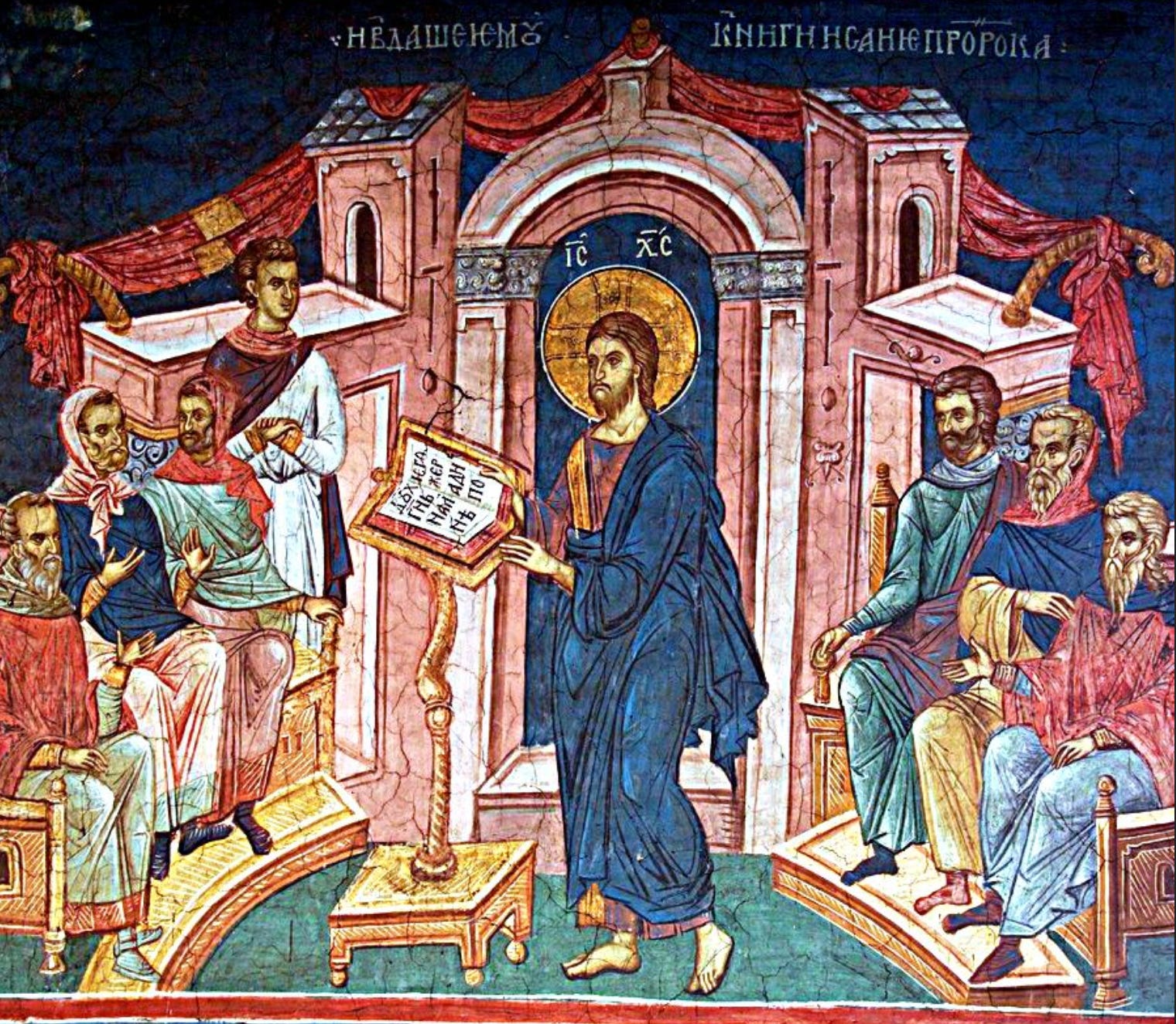
What are the key differences between oral cultures and written cultures? Did Jesus know how to read? How did his position in an oral culture inform his message?
Orality encourages immediacy and directness in communication. The listener must grasp the meaning at once – and, ideally, retain it. If we look at Jesus’s teaching, we see that his rhetoric bears the marks of this world: it is vivid, memorable, and often polemic. Shaped for the ear rather than the page. This reflects an oral milieu so deeply that some scholars have even questioned whether he could read or write at all.
Can you describe the impact of the technological transition from scrolls to codices?
Codices offered clear advantages over scrolls: they were easier to handle, more compact, and cheaper to produce. Yet most readers in the ancient world remained loyal to the scroll.
But one small religious sect decisively embraced the new form: the early Christian church. Unburdened by literary tradition, they were open to experimentation, and thus able to benefit from the codex’s practical advantages. The church became a people of the codex – it was a material expression of their identity.
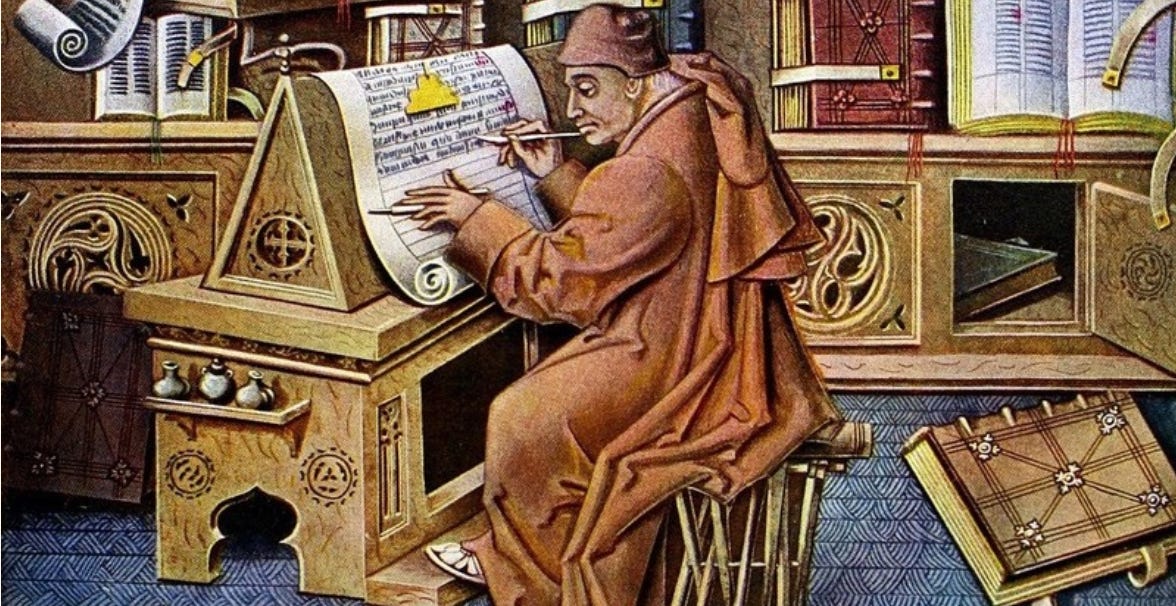
You claim that monks in the Middle Ages saved civilization. How?
When Rome fell, literary culture collapsed with it. The northern tribes who crushed the empire had little interest in books, and reading declined sharply. In this upheaval, countless works were on the brink of extinction.
But almost at the same moment, another force was quietly growing. The monastic movement treated books as necessities for their spiritual life. To them, books were tools for contemplation, prayer, and formation. Through their disciplined devotion to reading and copying, monks became the custodians of Europe’s literary inheritance.
If monks read slowly as a spiritual practice, scholars quickened the pace of reading. How did scholastic reading inform the way we read today?
In the twelfth century, a series of innovations transformed the book. These included the introduction of spaces between words, which allowed for faster, more fluid reading. But among them were also indexes, rubrics, and tables of contents – tools that made it possible to find information in a book without moving linearly from beginning to end.
These developments were embraced by scholars and bureaucrats, who treated books as repositories of information: resources to be searched, extracted, and deployed with efficiency.
How did the proliferation of books pave the way for the Protestant Reformation?
The printing press brought about an unprecedented multiplication of books and, with it, a decentralization of their production. For the first time, texts could be produced faster than the Inquisition could track, censor, and burn them. In this new media landscape, Luther’s message spread with remarkable speed and reach. He himself regarded the printing press as nothing less than a providential gift from God.
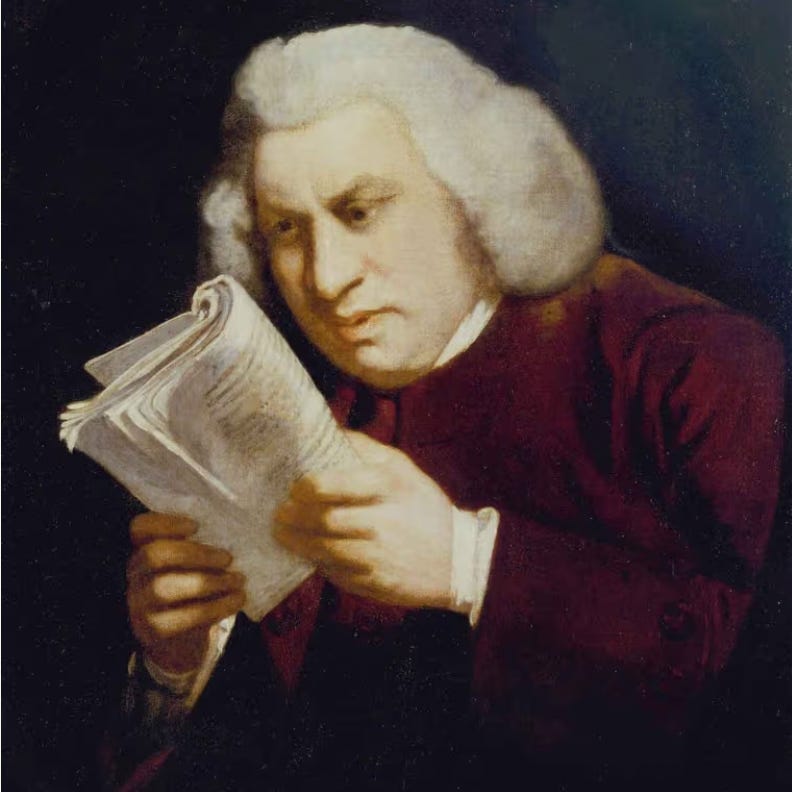
How did print culture contribute to democracy?
The printing press was crucial not only for the reformation, but for the scientific revolution, the emergence of the nation-state and the growth of democracy as well.
Thanks to print, it became possible to create a national identity through shared language, a common canon of texts, and increasingly refined systems of administration and law. Kings, priests, and printers worked in concert to consolidate this unity from above.
At the same time, newspapers and magazines opened up a far more plural and contested public sphere — one animated by discussion, disagreement, and deliberation. It was within this space that the habits and institutions of democracy began to take root.
In the 1980s, internet utopianism led some literary critics to decry the “death of bookishness.” What is deep reading and how can we pursue it in an age of online distraction?
Ever since the high Middle Ages, we have seen an acceleration in both book production and the pace at which we read them. Medieval monks read slowly and deliberately, but now skimming has become the norm. While it’s valuable to be able to skim, we also need to read carefully and reflect on what we encounter. The problem is that screens encourage skimming through their very design and the sheer volume of text they make available. Therefore, if we want to safeguard attentive reading, printed books are necessary.
Anyone hoping to inspire more attentive reading must do more than invoke its cognitive or moral benefits. That only risks reducing the act to “the intellectual equivalent of eating organic greens,” the literary scholar Alan Jacobs has cautioned. Lost in this debate is the fact that slow and careful reading is a genuine pleasure. I try to see reading not as a plate of vegetables, but as a glass of wine. If you truly want to enjoy it, you should not rush. There is more pleasure in an attentive sip.
Reading Matters is available here on Amazon
or here from New York University Press
Är det inte troligt att Jesus brukade högläsa toran i Kapernaum? Det fick man så vitt jag minns göra om man var tillräckligt bra på detta. Jesus bör ha varit skitsmart och bör ha lärt sig läsa och skriva på kort tid.